
Kiba Dachi: The Rooted Stance
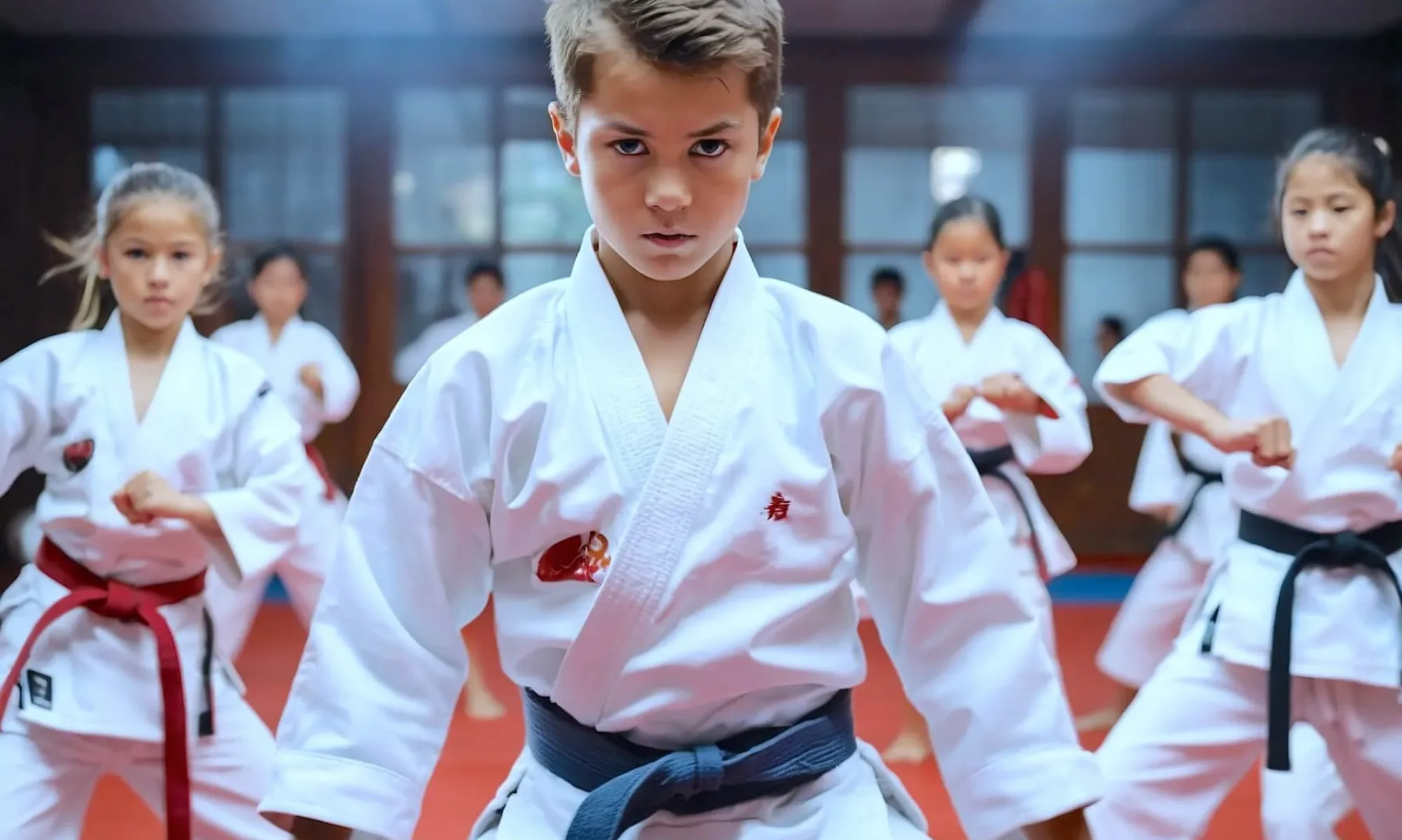
The Kiba Dachi is a fundamental stance in Shotokan Karate. Its name translates to “Horse Stance” in Japanese. Here’s why this seemingly simple posture holds immense power:
Stability and Strength:
- Wide Base: In Kiba Dachi, the feet are positioned shoulder-width apart or slightly wider. This wide base provides exceptional stability.
- Low Center of Gravity: By bending the knees and lowering the hips, the practitioner’s center of gravity drops. This stability allows for powerful movements.
Leg Conditioning:
- Leg Endurance: Holding Kiba Dachi builds endurance in the legs. It’s like doing a static squat—over time, the muscles adapt and become stronger.
- Thighs and Calves: The quadriceps, hamstrings, and calf muscles are engaged. This conditioning is crucial for executing kicks and maintaining balance.
Energy Transfer:
- Rooting to the Ground: Kiba Dachi connects the practitioner to the earth. Imagine roots anchoring a tree. From this stable base, energy flows efficiently.
- Transmitting Power: When performing techniques like punches or blocks, the power generated from the legs travels through the grounded stance.
Mental Focus:
- Patience and Discipline: Holding Kiba Dachi requires mental fortitude. Patience builds as you maintain the stance during katas (forms) or training.
- Mind-Body Unity: Concentration on maintaining the correct posture enhances mental focus. It’s a meditation in motion.
Application in Kata:
- Heian Katas: Kiba Dachi appears prominently in the Heian katas (Heian Shodan, Nidan, Sandan, etc.). It symbolizes readiness and strength.
- Transition Stance: It’s often used during transitions between techniques, emphasizing stability before explosive movements.
Remember, the power of Kiba Dachi lies not only in its physical demands but also in the mental resilience it cultivates. So, next time you assume this stance, feel the connection to centuries of martial tradition and channel your inner strength.